

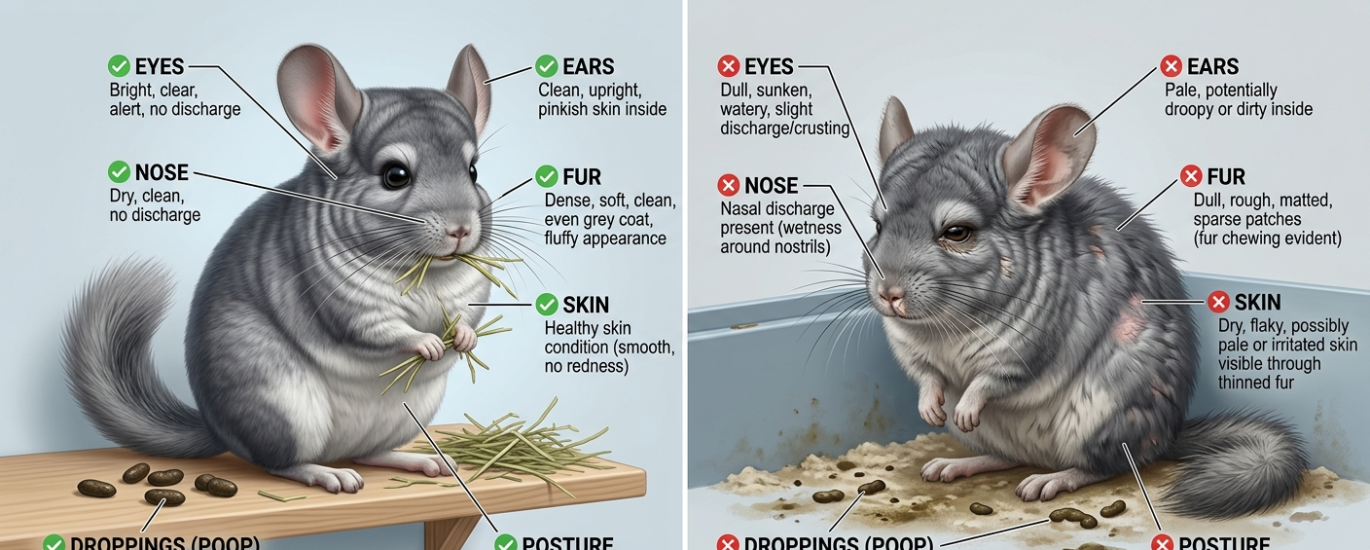
Chinchilla Health: The Complete Veterinary Guide (2026)
By ChinchillaCaréHQ | Medically Reviewed for Accuracy | Updated April 2026
Disclaimer: This guide is written for informational purposes and is based on current exotic veterinary best practices. It is not a substitute for professional veterinary advice. Always consult a qualified exotic animal veterinarian for diagnosis and treatment of your chinchilla.
Chinchillas are remarkably resilient animals when kept in the right conditions. With lifespans that can reach 15–20 years, they represent a long-term commitment — and a long-term health responsibility. The good news is that most chinchilla health problems are preventable with proper husbandry, a species-appropriate diet, and routine veterinary care.
This guide covers every major chinchilla health condition with a structured breakdown of what it is, how to recognize it, how it is treated, and how to prevent it. It also includes the conditions most commonly missed by general-practice vets, updated best practices from exotic animal specialists, and a comprehensive FAQ section for the most common chinchilla health questions.
Table of Contents
- Chinchilla Vital Signs & Baseline Health Parameters
- Finding and Working with an Exotic Vet
- Preventive Care & Routine Health Checks
- Signs Your Chinchilla Is Sick
- Condition-by-Condition Health Guide
- Dental Disease & Malocclusion
- Gastrointestinal Stasis
- Bloat (GI Tympany)
- Diarrhea
- Constipation
- Heatstroke (Hyperthermia)
- Respiratory Infections & Pneumonia
- Fur Chewing (Barbering)
- Fur Slip
- Ringworm (Dermatophytosis)
- Bite Wounds
- Eye Problems
- Ear Problems & Mites
- Heart Disease
- Seizures
- Internal Parasites
- Listeriosis
- Pseudomonas Infection
- Pyometra (Females)
- Hair Ring (Males)
- Bumblefoot (Pododermatitis)
- White Teeth & Calcium Deficiency
- Shock
- Senior Chinchilla Health
- Chinchilla First Aid Kit
- The After-Effects of Antibiotics
- Spaying and Neutering
- End-of-Life Care
- Comprehensive FAQ
1. Chinchilla Vital Signs & Baseline Health Parameters {#vital-signs}
Understanding what “normal” looks like is the foundation of recognizing when something is wrong.
| Parameter | Normal Range |
|---|---|
| Body temperature | 97–100°F (36.1–37.8°C) |
| Heart rate | 100–150 beats per minute |
| Respiratory rate | 40–80 breaths per minute |
| Weight (adult) | 400–600g (females tend to be larger) |
| Number of teeth | 20 (4 incisors, 16 cheek teeth) |
| Tooth color | Yellow-orange (white = abnormal in adults) |
| Lifespan | 10–20 years |
| Preferred ambient temperature | 60–70°F (15–21°C), humidity ~40% |
A healthy chinchilla will have bright, alert eyes; a thick, even, velvety coat; regular, firm, dark-brown droppings; an active demeanor at dusk and dawn; and a healthy appetite. Any deviation from these norms warrants monitoring and potentially a vet visit.
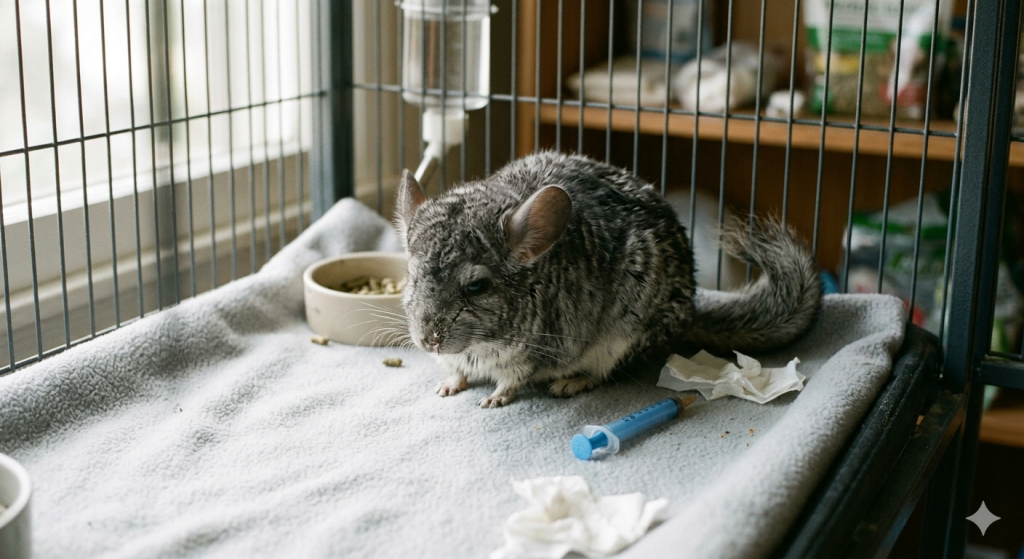
A sick chin.
2. Finding and Working with an Exotic Vet {#finding-a-vet}
This is one of the most critical steps any chinchilla owner can take — and it must happen before your chin gets sick.
Not all veterinarians treat chinchillas. You need a vet who specializes in exotic small mammals. When calling prospective vets, ask:
- How many chinchillas do you treat per month?
- Can you perform full-body and dental X-rays in-house?
- What anesthesia method do you use for chinchillas? (Isoflurane gas is the safest.)
- Do you have after-hours or emergency coverage?
Red flag: If a vet suggests oral penicillin for a chinchilla, find another provider immediately. Oral penicillin is toxic and potentially fatal to chinchillas, as it disrupts the GI microbiome catastrophically.
Best sources for referrals: Other chinchilla owners, chinchilla rescues, breeders, or the Association of Exotic Mammal Veterinarians (AEMV).
Annual wellness exams — including a fecal test and ideally bloodwork — are the standard of care. Dental X-rays are increasingly recommended as part of routine exams, since molar root elongation can be completely invisible without imaging.
3. Preventive Care & Routine Health Checks {#preventive-care}
Prevention is dramatically more effective and affordable than treatment in chinchillas. The pillars of preventive care are:
Diet: Unlimited high-quality timothy or orchard grass hay is the cornerstone of chinchilla health. It provides the fiber necessary for gut motility and the abrasive wear that keeps teeth properly ground down. Supplement with a small amount of high-quality, low-sugar pellets. Avoid seeds, nuts, dried fruit, and sugary treats, which can destabilize gut bacteria and contribute to dental disease. See our chinchilla nutrition guide for a full breakdown.
Environment: Keep the cage at 60–70°F with ~40% humidity. Never allow temperatures above 75°F (24°C) — chinchillas are extremely susceptible to heatstroke above 80°F (27°C). The cage should be out of direct sunlight and away from drafts.
Hygiene: Clean food and water bowls daily. Remove soiled bedding regularly. Change dust bath material frequently to avoid bacterial and fungal buildup.
Quarantine new animals: Any new chinchilla should be quarantined for at least 30 days before contact with resident animals, regardless of how healthy they appear.
Annual vet visits: At minimum, a yearly physical exam. Senior chinchillas (over 7 years) should be seen every 6 months.
4. Signs Your Chinchilla Is Sick {#signs-of-illness}
Because chinchillas are prey animals, they instinctively mask illness. By the time visible symptoms appear, the problem may already be advanced. Regular, close observation is essential.
Seek veterinary attention if you notice any of the following:
- Lethargy or reluctance to move during normally active hours
- Loss of appetite or refusal to eat for more than 12 hours
- Reduced or absent droppings (may signal GI stasis)
- Soft, sticky, or watery droppings (diarrhea)
- Swollen or distended abdomen
- Wet fur under the chin or on the chest (drooling — often dental disease)
- Discharge from the eyes, nose, or ears
- Labored, rapid, or shallow breathing
- Hunched or crouched posture
- Weight loss
- Fur loss or bald patches
- Seizures or loss of balance
- Pale gums (sign of shock or severe anemia)
- White teeth in an adult (calcium deficiency)
- A male chinchilla excessively grooming his genitals
5. Condition-by-Condition Health Guide {#conditions}
Dental Disease & Malocclusion {#dental-disease}
What it is: All of a chinchilla’s teeth — incisors and cheek teeth (molars and premolars) — grow continuously throughout their lives, at a rate of approximately 2–3 inches per year. When teeth don’t wear down evenly due to poor diet, genetics, or trauma, they become overgrown and misaligned. This is called malocclusion. Molars can develop sharp spurs that lacerate the tongue and cheeks; incisor overgrowth prevents proper jaw closure; root elongation can invade the jaw bone or tear ducts.
Dental disease is the most common health problem seen in pet chinchillas, and one of the most frequently missed at home until it has become severe.
Signs:
- Drooling or wet fur on the chin/chest (called “slobbers”)
- Dropping food while eating, or eating very slowly
- Preference for softer foods; refusal of hay
- Weight loss
- Pawing at the mouth
- Swollen or asymmetrical jaw
- Eye discharge (root elongation pressing on tear ducts)
- White teeth in an adult (may accompany dental metabolic disease)
Treatment:
- Veterinary dental examination under sedation with intraoral examination and skull X-rays or CT scan
- Trimming of overgrown incisors or molar spurs under anesthesia
- Surgical extraction of abscessed or severely affected teeth
- Pain management with Metacam (meloxicam) or other NSAIDs
- Syringe feeding with Critical Care (Oxbow) if the animal is unable to eat independently
- Dental procedures often need to be repeated every few months in chronic cases
Management & Prevention:
- Unlimited grass hay (timothy, orchard, meadow) at all times — this is the single most important preventive measure
- Safe wooden chew toys (aspen, apple, willow, hazel, bamboo)
- Annual dental exams, including imaging; dental X-rays may detect root disease years before symptoms appear
- Avoid high-sugar pellets and treats that don’t encourage proper chewing patterns
Learn more about diet and its role in dental health in our chinchilla nutrition guide.
Gastrointestinal Stasis {#gi-stasis}
What it is: GI stasis is a slowing or complete cessation of gut movement. When the digestive tract stops moving, the normal population of beneficial gut bacteria is disrupted, allowing gas-producing and potentially toxic bacteria to proliferate. This creates a dangerous cycle: the animal becomes uncomfortable and eats less, further worsening gut motility. GI stasis is a medical emergency.
Common triggers include dental disease, inappropriate diet, dehydration, overheating, chronic stress, pain from another condition, or a sudden diet change.
Signs:
- Reduced or absent droppings (this is often the first sign)
- Loss of appetite
- Lethargy
- Hunched posture
- Mild abdominal distension
- Tooth grinding (bruxism)
Treatment:
- Immediate veterinary care
- Subcutaneous or intravenous fluids to rehydrate
- GI motility-enhancing drugs (e.g., metoclopramide, cisapride)
- Syringe feeding with Critical Care to maintain gut function
- Pain management
- Identification and treatment of the underlying cause — stasis without treating the root problem will recur
Prevention:
- Unlimited hay at all times to keep gut moving
- Avoid sudden diet changes
- Minimize stress
- Provide adequate daily exercise (1–2 hours of free-roam time)
- Annual dental checks — dental disease is one of the most common causes of stasis
Bloat (GI Tympany) {#bloat}
What it is: Bloat occurs when large amounts of gas accumulate in the stomach and intestines. It can develop alongside or as a consequence of GI stasis, dysbiosis (imbalance of gut bacteria), intestinal obstruction, or, rarely, intestinal torsion (twisting of the gut). Severe bloat is life-threatening.
Signs:
- Visibly distended, firm, rounded abdomen
- Weakness; the animal may lie on its side
- Reluctance to move
- Loss of appetite
- In severe cases, difficulty breathing (gas pressing on the diaphragm)
Treatment:
- Emergency veterinary care
- Supportive fluids and pain management
- GI motility drugs
- In severe cases, gastric decompression via a tube passed through the mouth
- Prognosis for severe bloat with intestinal torsion is poor; the sooner treatment begins, the better the outcome
Prevention:
- Consistent high-fiber diet
- Avoid sudden diet changes
- Avoid gas-producing foods (broccoli, spinach, kale, cruciferous vegetables)
- Monitor droppings daily — a drop in output is an early warning sign
Diarrhea {#diarrhea}
What it is: Diarrhea in chinchillas is not a disease but a symptom of an underlying problem. It is always serious and should be treated promptly, since chinchillas dehydrate rapidly. Note that chinchillas cannot vomit, meaning GI disturbances exit only through the lower tract — this makes intestinal health especially critical.
Signs:
- Soft, sticky, easily-flattened droppings
- Staining of the fur around the rectum
- Lethargy and reduced appetite
Common causes:
- Too many sugary treats or excessive fresh vegetables
- Sudden diet change
- Bacterial infection (e.g., Listeria, Salmonella, E. coli)
- Intestinal parasites (giardia, coccidia)
- Antibiotic-associated dysbiosis
- Stress
Treatment:
- Veterinary examination to identify the cause
- Rehydration (fluids may be given subcutaneously)
- Withhold treats and fresh vegetables
- Ensure unlimited hay access
- Probiotics (acidophilus) to restore gut flora
- Antibiotics only if a bacterial infection is confirmed — never medicate without vet guidance
Constipation {#constipation}
What it is: Hard, small, or absent droppings indicating slowed transit through the digestive tract. Often caused by insufficient fiber (hay) or dehydration. It can also be an early sign of GI stasis or dental disease.
Signs:
- Very small, dry, hard droppings
- Straining to defecate
- Reduced appetite
- General discomfort
Treatment:
- Ensure constant access to hay and fresh water
- Increase exercise (free-roam time)
- Veterinary consultation if constipation persists beyond 12–24 hours — it can progress to GI stasis
Heatstroke (Hyperthermia) {#heatstroke}
What it is: Chinchillas evolved in the cold, high-altitude Andes and are extremely heat-sensitive. Their dense coats — which can have up to 60 hairs per follicle — provide excellent cold-weather insulation but make it very difficult to dissipate heat. Temperatures above 75°F (24°C) are dangerous; temperatures above 80°F (27°C) can be fatal. Humidity compounds the risk significantly.
Heatstroke is a true emergency requiring immediate action.
Signs:
- Panting, rapid shallow breathing
- Hypersalivation (drooling)
- Stretching out flat on the cage floor or lying on the side
- Weakness or inability to stand
- Reddened ears
- Seizures in severe cases
- Unconsciousness
Immediate first aid (while en route to the vet):
- Move the chinchilla to a cool area immediately
- Wrap a cool (not ice cold) damp towel around the body, focusing on the head and neck
- If conscious, offer small amounts of cool water
- If unconscious, gently submerge the body in cool water, keeping the head above the water
- Transport to an emergency vet without delay — keep the cool towel in place
Prevention:
- Keep the room at 60–70°F at all times
- Never place the cage in direct sunlight or near heating vents
- Run air conditioning when away from home if it is warm
- Place frozen water bottles (wrapped in a cloth) inside the cage during hot weather
- Keeping dust bath powder in the refrigerator in summer can also help cool your chin during bath time
Respiratory Infections & Pneumonia {#respiratory}
What it is: Bacterial infections affecting the upper and lower respiratory tract are among the more common health problems in chinchillas. Pathogens including Pseudomonas aeruginosa, Bordetella bronchiseptica, and Streptococcus species are frequently implicated. Pneumonia can develop rapidly and is potentially fatal. Chinchillas should not be housed near rabbits — rabbits can carry Pasteurella multocida, which is highly dangerous to chinchillas.
Signs:
- Runny or crusty nose
- Sneezing and coughing
- Labored or rapid breathing
- Open-mouth breathing (a severe, emergency sign)
- Lethargy and loss of appetite
- Weight loss in chronic cases
Treatment:
- Veterinary diagnosis, often including X-rays to assess lung involvement
- Culture and sensitivity testing to identify the pathogen and select the most effective antibiotic
- Antibiotic therapy (note: not all antibiotics are safe for chinchillas — treatment must be vet-directed)
- Nebulization therapy in severe cases
- Supportive care including fluids and assisted feeding if the animal is not eating
Prevention:
- Keep the cage clean and well-ventilated but draft-free
- Quarantine new animals for at least 30 days
- Avoid housing near rabbits
- Reduce stress, which suppresses immune function
- Annual health checks to catch subclinical respiratory disease early
Fur Chewing (Barbering) {#fur-chewing}
What it is: A behavioral condition in which a chinchilla chews its own fur or that of a cagemate, leaving shorter or missing patches. It is strongly associated with stress, boredom, and inadequate environmental enrichment. While it can have a genetic component, the most common trigger is an unsuitable living environment.
Signs:
- Areas of shorter fur on the body, flanks, or tail
- Chewed fur may be a different color than surrounding coat (the undercoat becomes visible)
- Ingested fur can occasionally form hairballs that contribute to GI problems
Treatment & Management:
- Identify and eliminate stressors: loud noise, inadequate cage size, insufficient enrichment, boredom, lack of social interaction
- Provide a minimum of 1–2 hours of supervised free-roam time daily
- Ensure an exercise wheel (minimum 15–18 inch diameter, solid floor) is available
- Add cage enrichment: wooden chews, ledges, hiding boxes, tunnels
- If fur chewing involves a cagemate, separate the pair and assess compatibility
- Provide daily interaction with the owner — chinchillas are social animals that need regular stimulation
Read more about chinchilla social behavior and enrichment in our behavior guide.
Fur Slip {#fur-slip}
What it is: A defensive mechanism unique to chinchillas in which a patch of fur releases instantly when the animal is grabbed, startled, or handled roughly. It is not painful but results in a bald patch that takes months to regrow fully. This mechanism evolved to allow wild chinchillas to escape predators.
Signs:
- Sudden, clean-edged bald patch with no redness, inflammation, or wound
- The animal shows no sign of pain
Management:
- No treatment required — fur will regrow
- Examine the skin beneath to rule out concurrent skin irritation
- Review and improve handling technique; never grab or restrain a chinchilla forcefully
- Allow the animal time to acclimatize before attempting handling
See our behavior guide for tips on proper, gentle chinchilla handling.
Ringworm (Dermatophytosis) {#ringworm}
What it is: Despite its name, ringworm is a fungal infection caused by dermatophytes, most commonly Trichophyton mentagrophytes in chinchillas. It is contagious to other chinchillas, other pets, and humans. It is particularly common in young, immunocompromised, or recently stressed animals, and is frequently introduced via contaminated dust baths, bedding, or new animals.
Signs:
- Circular, scaly bald patches, often starting on the face, ears, and nose
- Red, irritated skin within the bald patches
- May progress to involve larger areas of the body
- The animal may or may not appear itchy
Treatment:
- Veterinary diagnosis via skin culture or fungal culture (Wood’s lamp examination is unreliable in chinchillas)
- Topical antifungal cream or spray (e.g., miconazole, clotrimazole) applied to affected areas
- Systemic antifungal medication (e.g., itraconazole, terbinafine) in widespread or persistent cases
- Full disinfection of the cage and all accessories with a dilute bleach solution (1:10)
- Replace or thoroughly disinfect dust bath material
- Isolate from other chinchillas and practice careful hygiene when handling (wear gloves)
- Treatment course typically 4–6 weeks
Prevention:
- Quarantine all new animals for 30 days
- Replace dust bath powder regularly
- Keep the environment clean and the animal stress-free to maintain immune function
Bite Wounds {#bite-wounds}
What it is: Chinchillas that are incompatibly housed will fight, sometimes severely. Dog and cat bites are also a significant risk for free-roaming chinchillas. Because of their dense fur, bite wounds can easily be missed. Bacteria from bite wounds — particularly Pasteurella multocida from dog and cat bites — can cause life-threatening septicemia if not treated promptly.
Signs:
- Visible wound or matted fur concealing a wound
- Swelling, redness, or discharge at the wound site
- Lethargy or pain responses when the area is touched
Treatment:
- Minor wounds: clean with antiseptic scrub (chlorhexidine), apply antibiotic ointment, monitor closely
- Any wound that shows signs of infection (redness spreading, oozing, failure to heal) requires immediate veterinary care
- Cat or dog bites: always treat as a veterinary emergency, regardless of wound size — Pasteurella can cause rapid systemic infection
- Vet-prescribed antibiotics are typically required; wound debridement may be needed
Prevention:
- Introduce chinchillas gradually and supervise cagemate introductions
- Never allow unsupervised interaction with dogs, cats, or other predatory animals
Eye Problems {#eye-problems}
What it is: Chinchillas are prone to eye irritation from dust bath particles and cage bedding. More serious conditions include corneal scratches, bacterial conjunctivitis (Pseudomonas is a common pathogen), and epiphora (excessive tearing), which can be secondary to molar root elongation pressing on the nasolacrimal duct.
Signs:
- One or both eyes held partially or fully closed
- Pawing at the eye
- Excessive tearing or discharge (clear, yellow, or green)
- Cloudiness or redness of the eye
- Fur staining below the eye
Treatment:
- Veterinary examination to determine the cause
- Foreign body or mild irritation: veterinary-prescribed eye drops or saline rinse
- Bacterial infection: antibiotic eye drops (e.g., chloramphenicol, ciprofloxacin)
- If secondary to dental disease: addressing the root dental issue is necessary
- Never use over-the-counter human eye products without veterinary guidance
Best Practice Note: Since 2023, guidelines from exotic mammal practitioners increasingly recommend that persistent unilateral epiphora (tearing from one eye) in chinchillas be investigated with skull X-rays or CT to rule out molar root elongation as the primary cause.
Ear Problems & Mites {#ear-problems}
What it is: Chinchillas can suffer from ear mite infestations (Psoroptes or Notoedres species) or bacterial/fungal ear infections. Dirty ears without other symptoms may simply need gentle cleaning.
Signs of mites:
- Frequent scratching at the ears
- Dark, waxy, or crusty buildup inside the ear canal
- Head shaking
Signs of infection:
- Strong or unpleasant odor from the ear
- Ear becomes dirty very quickly
- Head tilt (indicates middle/inner ear involvement)
Treatment:
- Mites: veterinary-prescribed ear drops containing an appropriate antiparasitic agent
- Bacterial infection: antibiotic ear drops or systemic antibiotics depending on severity
- Head tilt accompanying ear disease suggests inner ear infection and requires urgent veterinary attention
- Gentle cleaning with a cotton ball dampened with dilute chlorhexidine or rubbing alcohol for mild dirty ears (do not probe deeply)
Heart Disease {#heart-disease}
What it is: Chinchillas have a notable predisposition to cardiac conditions including cardiomyopathy, congestive heart failure, heart murmurs, and cardiac thromboembolism (blood clots forming in the heart). The reason for this susceptibility is not fully understood, but genetic factors, age, and diet likely play roles.
Signs:
- Lethargy and exercise intolerance
- Loss of appetite
- Rapid, labored, or open-mouth breathing
- Bluish tinge to the gums or tongue (cyanosis — severe)
- Fluid accumulation in the abdomen or chest in advanced heart failure
Treatment:
- Cardiac auscultation (listening with a stethoscope) and chest X-rays are essential
- Echocardiogram (cardiac ultrasound) is the gold standard for diagnosis
- Medications may include diuretics (e.g., furosemide), ACE inhibitors (e.g., enalapril), and cardiac support drugs — all prescribed and managed by a vet
- There is no cure, but quality of life can often be maintained for months to years with medication
Prevention:
- Annual veterinary exams that include cardiac auscultation
- Appropriate diet low in fat and sugar
- Regular gentle exercise
- Minimizing stress
Seizures {#seizures}
What it is: Seizures in chinchillas are always a symptom of an underlying condition and are never normal. They can present in various ways — from full convulsions to subtle twitching, stiffening, or staggering.
Common underlying causes:
- Calcium or thiamine (vitamin B1) deficiency
- Listeriosis
- Heatstroke
- Head trauma
- Toxin ingestion
- Epilepsy (idiopathic seizures)
- Kidney or liver failure
- Hypoglycemia
Signs:
- Body stiffening or curling inward
- Lying on the side with uncontrolled twitching
- Staggering or loss of coordination
- Paddling of the limbs
- Jaw spasms
Treatment:
- Emergency veterinary care — do not attempt to restrain the chinchilla during a seizure
- Diagnostic workup including bloodwork, urinalysis, and imaging to identify the cause
- Treatment is directed at the underlying cause
- Diazepam or other anticonvulsants may be used acutely; long-term anticonvulsant therapy in epileptic chinchillas
Internal Parasites {#parasites}
What it is: Chinchillas can harbor several types of internal parasites, including protozoa (Giardia, Cryptosporidium, Coccidia) and helminths (tapeworms, hookworms, roundworms, pinworms). Protozoal infections can cause severe illness quickly; helminth infestations are often subclinical until heavy.
Signs:
- Diarrhea (ranging from loose stools to watery, bloody diarrhea)
- Weight loss
- Lethargy
- Poor coat condition
- Reduced appetite
Treatment:
- Fecal examination to identify the parasite
- Antiprotozoal drugs (e.g., metronidazole for Giardia; ponazuril for Coccidia)
- Anthelmintics for worm infestations (e.g., fenbendazole)
- Thorough cage disinfection; replace all bedding
- Treat all in-contact chinchillas
Prevention:
- Fecal testing at least annually (and for all new arrivals)
- Strict hygiene
- Do not allow chinchillas to eat hay that has been exposed to mouse droppings (a primary route for Listeria and parasites)
Listeriosis {#listeriosis}
What it is: A serious bacterial disease caused by Listeria monocytogenes, which attacks the digestive system and can cause the nervous system. Spread via contact with contaminated feces or hay contaminated by infected mice. It can be fatal if not caught early.
Signs:
- Constipation
- Loss of appetite
- Lethargy
- In later stages: neurological signs (head tilt, circling, seizures)
Treatment:
- Immediate veterinary care
- The bacteria responds to appropriate antibiotics (e.g., trimethoprim-sulfa, penicillin — note: oral penicillin is toxic; only injectable forms are used) if caught early enough
- Supportive care including fluids and syringe feeding
Prevention:
- Store hay in sealed containers, away from mice
- Strict cage and environment hygiene
- Promptly remove any uneaten fresh food
Pseudomonas Infection {#pseudomonas}
What it is: Pseudomonas aeruginosa is a gram-negative opportunistic bacterium that is increasingly recognized as a significant pathogen in chinchillas. It can cause conjunctivitis, otitis (ear infections), pneumonia, enteritis, and — in severe cases — systemic sepsis. It is notable for its antibiotic resistance and tendency to form biofilms.
Signs:
- Eye discharge (green or yellow)
- Ear discharge or head shaking
- Respiratory distress
- Diarrhea
- Collapse and fever in systemic cases
Treatment:
- Culture and sensitivity testing is critical — empirical antibiotic treatment may fail due to resistance
- Targeted antibiotic therapy based on sensitivity results
- Rigorous environmental hygiene to eliminate the reservoir
- Water sources should be assessed — Pseudomonas can colonize water bottles and sipper tubes
Prevention:
- Clean and replace water bottle sipper tubes regularly
- Disinfect cage accessories frequently
- Maintain clean, dry bedding
- Avoid overcrowding, which promotes opportunistic infection
Pyometra (Females) {#pyometra}
What it is: Pyometra is a severe, life-threatening infection of the uterus that primarily affects intact (unspayed) female chinchillas, particularly older animals or those that have been bred. The uterus fills with pus and, if untreated, will rupture or cause systemic sepsis.
Signs:
- Vaginal discharge (ranging from mucoid to hemorrhagic)
- Swollen, distended abdomen
- Lethargy
- Loss of appetite
- Fever
Treatment:
- Emergency veterinary care — this is a critical condition
- Diagnosis via abdominal X-ray or ultrasound
- Ovariohysterectomy (surgical removal of the uterus and ovaries) is the treatment of choice
- In mild cases of endometritis (early uterine inflammation), antibiotic therapy may be attempted, but surgery is the definitive cure
- Prognosis is good with prompt surgical intervention
Prevention:
- Spaying of female chinchillas that are not intended for breeding significantly reduces this risk
- Monitor intact females for any vaginal discharge
Hair Ring (Males) {#hair-ring}
What it is: A condition unique to male chinchillas in which shed fur accumulates and wraps around the shaft of the penis, beneath the prepuce, creating a constricting ring. If not removed, it can prevent the penis from retracting, cause pain, obstruct urination, and lead to permanent penile damage.
Signs:
- Excessive grooming of the genital area
- Penis visible and unable to retract fully
- Straining to urinate
- Restlessness or signs of discomfort
Checks: Male chinchilla owners are advised to perform monthly checks, gently extending the penis and inspecting for fur accumulation. A small amount of fur near the base is normal; a tight ring is not.
Treatment:
- Mild cases: gentle manual removal by carefully unwrapping the fur ring
- Lubrication (e.g., a small amount of KY jelly) can aid removal
- Difficult or severe cases: veterinary assistance is essential to avoid injury
- If the penis is swollen, discolored, or has been prolapsed for an extended period, veterinary care is urgent
Bumblefoot (Pododermatitis) {#bumblefoot}
What it is: A painful inflammation and ulceration of the feet, typically caused by wire mesh flooring, rough surfaces, obesity, or wet/dirty bedding. The pressure points on the feet become inflamed, develop calluses, and in severe cases become infected.
Signs:
- Redness and swelling of the foot pads
- Scabbing, ulceration, or sores on the feet
- Limping or reluctance to bear weight
- Excessive foot licking
Treatment:
- Veterinary examination to assess severity
- Wound cleaning and appropriate dressings
- Antibiotic treatment for infected cases
- Pain management
- Complete removal of wire or rough flooring; replace with solid, smooth surfaces
Prevention:
- Use cages with solid or partially solid flooring
- Provide solid resting platforms (wooden ledges, flat hideaways)
- Keep bedding clean and dry
- Maintain a healthy weight through appropriate diet
White Teeth & Calcium Deficiency {#white-teeth}
What it is: In chinchillas, healthy adult teeth should be yellow-orange in color — this pigmentation develops with age and is a sign of health. White teeth in an adult chinchilla indicate a calcium deficiency or metabolic bone disease. This is most common in pregnant or nursing females but can occur in any poorly nourished animal.
Signs:
- White or pale teeth in an adult chinchilla
- May accompany poor bone density, fractures, or muscle weakness in severe deficiency
Treatment & Management:
- Veterinary assessment of diet and possible blood calcium levels
- Dietary correction — ensure adequate calcium intake through quality hay and appropriate pellets
- Veterinary-guided calcium supplementation if required
- Address any concurrent conditions (e.g., dental disease, inadequate diet)
Shock {#shock}
What it is: A life-threatening state in which inadequate blood circulation fails to deliver oxygen to vital organs. In chinchillas, shock most commonly results from severe trauma, a bite wound that causes internal bleeding, severe infection (sepsis), or significant blood loss.
Signs:
- Unconsciousness or extreme weakness
- Pale, white, or bluish gums
- Cold extremities (paws, ears)
- Rapid, shallow breathing
- Complete unresponsiveness
Treatment:
- This is an absolute emergency — transport to a vet immediately
- Keep the animal warm (wrap gently in a soft cloth) en route
- Do not offer food or water to an unconscious animal
- Veterinary treatment will include IV fluids, oxygen, and management of the underlying cause
Senior Chinchilla Health {#senior-health}
Chinchillas can live to 15–20 years, meaning senior care is an increasingly common aspect of chinchilla ownership. Animals over 7–8 years of age should be considered seniors and receive more frequent veterinary attention — ideally every 6 months.
Common age-related changes:
- Reduced activity and slower movement
- Difficulty maintaining body temperature (both staying warm and staying cool)
- Reduced metabolic efficiency (may lose weight despite adequate food)
- Dental deterioration requiring more frequent vet intervention
- Cataracts (milky, opaque eyes) — chinchillas generally adapt well to impaired vision
- Arthritis and reduced mobility
- Increased cancer risk (particularly uterine cancer in intact females)
- Kidney and liver disease
Management of the senior chinchilla:
- Increase ambient temperature monitoring — provide gentle supplemental warmth in cold weather (draft-free cage wrap), and extra cooling measures in summer
- Lower cage platforms or ramps to reduce fall risk
- Softer bedding and more floor-level resting areas to protect against sore feet
- Dental checks every 6 months — overgrown teeth are particularly common in seniors
- Regular weight monitoring — unexpected weight loss should always prompt a vet visit
- Bloodwork at least annually to screen for kidney and liver disease
- Extra enrichment and social interaction to maintain cognitive engagement
6. Chinchilla First Aid Kit {#first-aid}
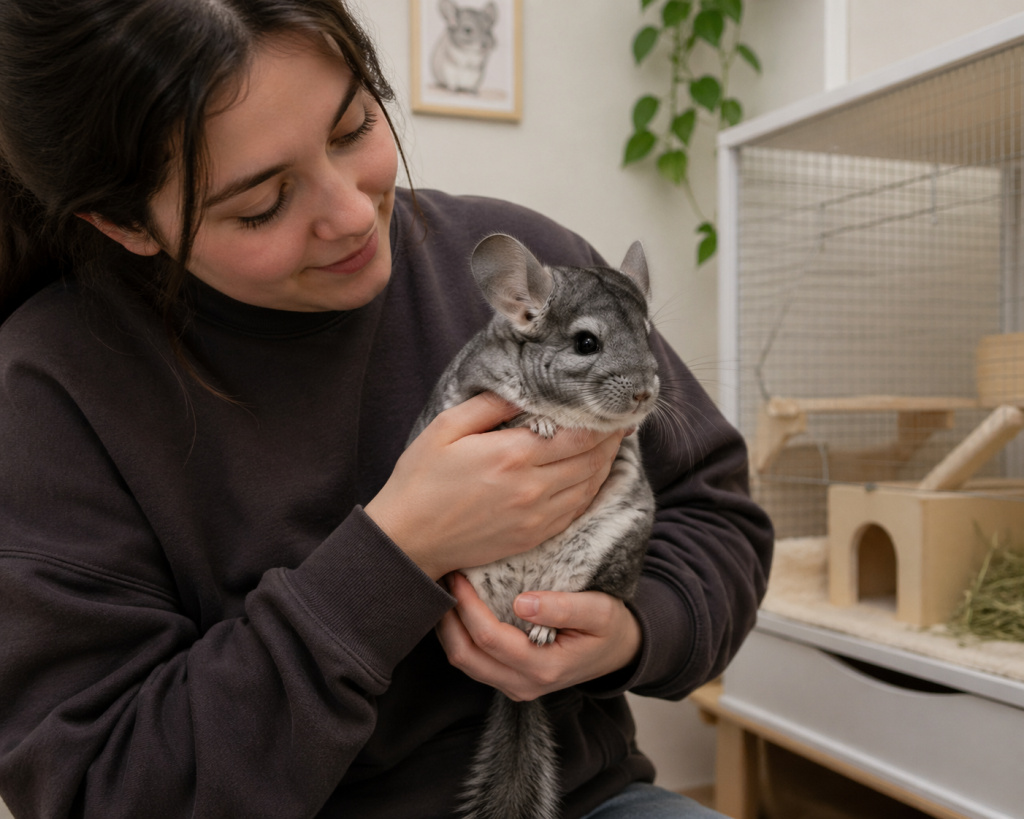
Every chinchilla owner should have a first aid kit assembled and stored in an accessible location. Contents should include:
- Cotton balls and gauze pads
- Small soft towel
- Chlorhexidine antiseptic scrub
- Antibiotic ointment (e.g., Neosporin — without pain relief/numbing agents)
- Styptic powder (to stop minor bleeding)
- Rectal thermometer and lubricating jelly
- Blunt-tipped scissors
- Syringe (without needle) for administering fluids or medications orally
- Critical Care (Oxbow) or equivalent syringe-feeding food for emergencies
- Contact details for your exotic vet and the nearest exotic emergency hospital
7. The After-Effects of Antibiotics {#antibiotics}
Antibiotics can be life-saving — but they also disrupt the chinchilla’s delicate gut microbiome by killing beneficial bacteria alongside harmful ones. This can cause diarrhea, bloating, or GI stasis as secondary effects of treatment.
Never give a chinchilla any antibiotic without veterinary direction. Some antibiotics that are safe for humans and other animals are toxic to chinchillas — oral penicillin and amoxicillin are the most notable examples.
If your chinchilla is on antibiotics, ask your vet about supplementing with a probiotic containing live cultures (e.g., acidophilus, Lactobacillus). This can help re-establish healthy gut flora. Monitor for signs of secondary GI disruption and report them to your vet promptly.
8. Spaying and Neutering {#spay-neuter}
Spaying or neutering is currently recommended primarily for population control (preventing unwanted breeding) rather than for behavioral or health benefits — though spaying females significantly reduces the risk of uterine cancer and pyometra as they age.
If housing a male and female chinchilla together, one must be sterilized. The simpler, less invasive procedure is neutering the male. Consult an experienced exotic vet — anesthesia and surgery in chinchillas require specialist expertise. Isoflurane gas anesthesia is the safest option.
9. End-of-Life Care {#end-of-life}
Losing a chinchilla — particularly one that has been a companion for 10, 15, or even 20 years — is a significant loss. Planning ahead, while difficult, spares owners from making distressing decisions in crisis.
Euthanasia is the compassionate option when a chinchilla’s quality of life can no longer be maintained due to pain, terminal illness, or severe disability. It involves a rapid-acting barbiturate injection that causes almost immediate loss of consciousness followed by cardiac arrest — it is peaceful and painless. Ask your vet whether a house call is possible to minimize stress on your pet.
Grief following the loss of a companion animal is real and valid. Many veterinary schools and animal welfare organizations offer pet bereavement support lines for owners navigating this experience.
When you are ready, consider opening your home to another chinchilla in need through our chinchilla adoption guide.
10. Comprehensive FAQ: Chinchilla Health {#faq}
Q: How often should my chinchilla see a vet?
Healthy adult chinchillas should have an annual wellness exam including a physical examination, fecal parasite check, and ideally bloodwork. Senior chinchillas (over 7–8 years) should be seen every 6 months. Take your chinchilla to the vet promptly if you notice any of the warning signs listed in this guide — do not wait to see if the problem resolves on its own.
Q: What temperature should I keep my chinchilla’s room at?
The ideal range is 60–70°F (15–21°C) with humidity around 40%. Temperatures above 75°F (24°C) are uncomfortable; anything above 80°F (27°C) can cause heatstroke, which can be fatal. Always leave air conditioning running when you leave the house on warm days.
Q: My chinchilla isn’t eating. What should I do?
A chinchilla that has not eaten for 12 hours or more requires urgent veterinary attention. Loss of appetite can signal dental disease, GI stasis, infection, or many other conditions. Do not adopt a wait-and-see approach — chinchillas deteriorate rapidly when not eating.
Q: My chinchilla’s teeth are white. Is that bad?
In adult chinchillas, yes. Healthy adult teeth should be yellow-orange. White teeth in an adult indicates a calcium deficiency or metabolic disorder. Consult your vet to assess diet and rule out underlying conditions. Note that baby (kit) teeth are naturally white and will yellow as the animal matures.
Q: Can I give my chinchilla human medication?
No, never without explicit veterinary instruction. Many medications safe for humans and other pets are toxic to chinchillas. This includes oral penicillin, amoxicillin, and most pain medications. Even seemingly safe supplements should be cleared with your vet first.
Q: Is ringworm dangerous? Can I catch it from my chinchilla?
Yes, ringworm (Trichophyton mentagrophytes) is a zoonotic fungal infection, meaning it can be transmitted from chinchillas to humans. It typically appears as a circular, scaly, itchy rash on human skin. Always wear gloves when handling a chinchilla with suspected ringworm and wash hands thoroughly. The infection is treatable in both chinchillas and humans but requires consistent treatment over several weeks.
Q: What should I do if my chinchilla has a seizure?
Do not restrain or try to hold the chinchilla during a seizure — this can cause injury to both of you. Clear the area of objects the animal could hurt itself on. Time the seizure if possible. As soon as it ends, contact your exotic vet immediately. Seizures are always a sign of an underlying medical problem requiring diagnosis.
Q: How do I know if my chinchilla has dental problems?
Early dental disease is often invisible without imaging. Signs that may appear include: drooling or a wet chin, dropping food while eating, losing weight despite an apparently normal appetite, refusing hay in favor of softer foods, or eye discharge (which can indicate molar root elongation pressing on the tear duct). Annual dental exams with skull X-rays or CT can detect root disease before symptoms emerge.
Q: My chinchilla has diarrhea — what should I do?
Mild soft stools: remove all fresh vegetables and treats, ensure unlimited hay access, and monitor for 12–24 hours. Watery, profuse, or bloody diarrhea: veterinary emergency — contact your vet immediately. Diarrhea in chinchillas can lead to rapid dehydration and is always a sign of an underlying problem that needs diagnosis.
Q: Can chinchillas get colds from humans?
Current evidence does not suggest that common human cold viruses are transmissible to chinchillas. However, chinchillas can develop their own bacterial respiratory infections. Minimize stress (a major immunosuppressant), keep the environment clean and well-ventilated, and quarantine any new animals for 30 days.
Q: How do I prevent GI stasis?
The single most effective measure is providing unlimited high-quality grass hay at all times. Hay keeps the gut moving, provides abrasive wear for teeth, and maintains healthy gut bacteria. Additional steps include daily exercise (free-roam time), minimizing stress, avoiding sudden diet changes, and scheduling annual vet exams that include dental assessment.
Q: Should I get my female chinchilla spayed?
Spaying significantly reduces the risk of pyometra (uterine infection) and reproductive cancers as your chinchilla ages. If you are not planning to breed your chinchilla and she is in good health, discuss the option with your exotic vet. Surgery carries some anesthetic risk in small exotic mammals, but in the hands of an experienced exotic vet, the risk is manageable — particularly in younger animals.
Q: Is it safe to use antibiotics from a pet store on my chinchilla?
No. Over-the-counter antibiotics are inappropriate and potentially dangerous for chinchillas. The wrong antibiotic can worsen the condition, promote antibiotic resistance, or be directly toxic. All antibiotic treatment must be prescribed and supervised by a veterinarian.
Q: My chinchilla seems healthy. Does it really need annual vet visits?
Yes. Many serious chinchilla conditions — particularly dental disease, early heart disease, and internal parasites — have no visible symptoms in their early stages. Annual exams catch problems when they are most treatable and least expensive to manage. Think of it as an investment in your chinchilla’s longevity.
Further Reading & Resources
Expand your knowledge with our full care library:
- 🐭 Chinchilla Adoption Guide — choosing and welcoming a healthy chinchilla
- 🥗 Chinchilla Nutrition Guide — diet, hay, treats, and what to avoid
- 🧠 Chinchilla Behavior Guide — understanding vocalizations, social needs, and enrichment
- 🛁 Chinchilla Grooming Guide — dust baths, coat care, and nail trimming
Authoritative external references used in this guide:
- VCA Animal Hospitals — Chinchilla Diseases
- Merck Veterinary Manual — Routine Health Care for Chinchillas
- PetMD — Chinchilla Care Sheet (Updated 2025)
- Long Island Avian & Exotic Veterinary Clinic — Chinchilla Care
- Chicago Exotics Animal Hospital — Chinchilla Care
- Forever Feisty Chinchilla Rescue — Veterinary Guidelines
- Pender Veterinary Centre — Caring for Your Pet Chinchilla
This article is intended for informational purposes only. Always consult a qualified exotic animal veterinarian for any health concerns related to your chinchilla.